God Love Christian Design: Retro Graphics for Faith-Based Freebies
First Impressions: A Nostalgic Touch with Spiritual Appeal
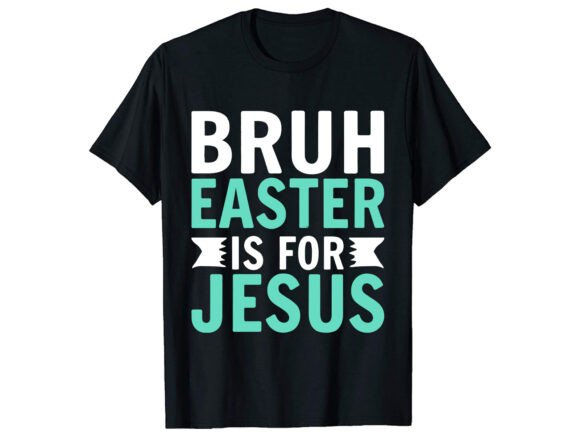
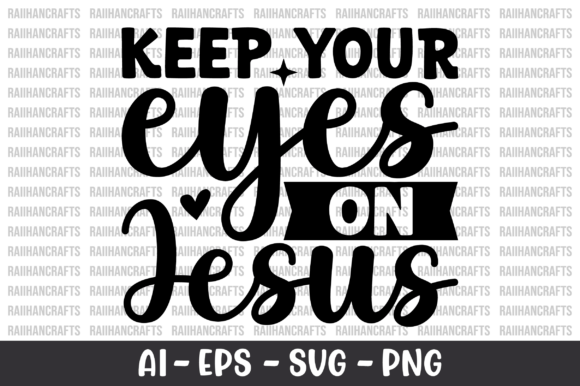
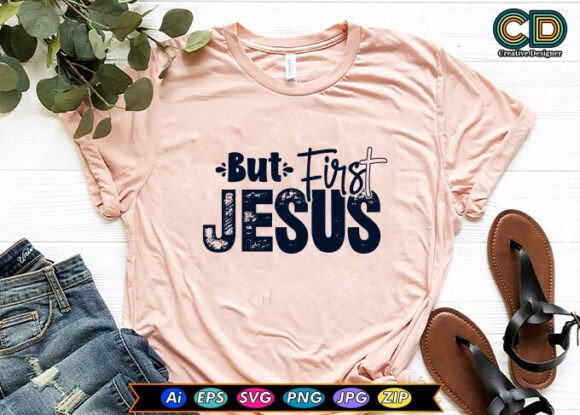
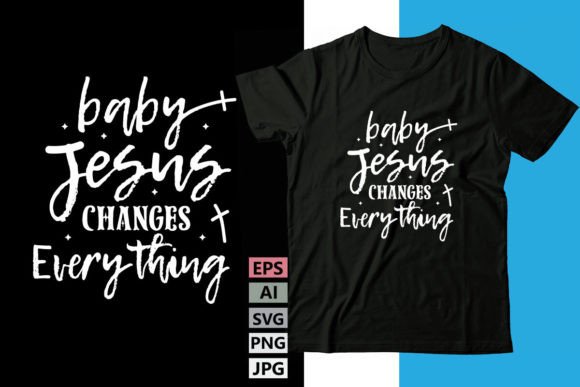
As a designer working on a faith-inspired product line for a local boutique, I was immediately drawn to God Love Christian Design. At first glance, this retro t-shirt design feels like a warm, familiar embrace. The visual style blends vintage typography with a heartfelt message, making it ideal for faith-based branding or community-driven campaigns.
The design carries a comforting, slightly worn aesthetic that speaks to authenticity and tradition. It’s the kind of graphic that feels both personal and timeless—perfect for small businesses aiming to connect with audiences on an emotional level. Whether used in a print or digital format, it brings a sense of sincerity that modern minimalism often lacks.
Real-World Application: From Merch to Marketing
I tested God Love Christian Design across a variety of deliverables for a client launching a line of handmade Christian apparel and accessories. It performed particularly well in merchandise mockups, especially on t-shirts and tote bags. The retro vibe gave the product line a cohesive, nostalgic charm that resonated with their target audience of young families and church communities.
- Logo design: Served as a secondary brand mark, complementing a cleaner primary logo.
- Product labels: Added a vintage feel to packaging tags and hang tags.
- Social media graphics: Worked beautifully in Instagram stories and Pinterest pins, where emotional appeal drives engagement.
- Printable wall art: Translated well into downloadable faith-themed posters for home decor.
Its flexibility also made it a strong contender for Canva templates and Cricut projects, especially for Etsy sellers offering customizable Christian-themed prints or craft kits.
Where It Shines: Bold Visuals, Thematic Depth
God Love Christian Design truly excels when used in larger formats or as a central theme element. It’s particularly effective in:
- Hero graphics: On landing pages or campaign banners where emotional tone is key.
- Packaging details: Adds a human touch to eco-friendly or handmade product packaging.
- Themed collections: Perfect for seasonal or holiday product drops with a faith-based angle.
- Merchandise design: T-shirts, mugs, and tote bags benefit from its retro charm.
It also holds up well in print-on-demand workflows, especially when layered over mockups that simulate real-world wear and texture. The design’s warmth and character help elevate what could otherwise be generic product visuals.
Where to Be Cautious: Balancing Style and Clarity
While the design has a strong visual voice, it’s not a one-size-fits-all solution. It can overwhelm smaller spaces or clash with minimalist layouts. I noticed that in digital ads with tight text requirements, the design’s ornate texture made it harder to maintain a clear visual hierarchy.
Here are some situations where I’d use God Love Christian Design carefully:
- Small print sizes: Loses detail and readability below 12pt.
- Busy backgrounds: Can get lost in complex or layered designs.
- Minimalist branding: May feel out of place in clean, modern brand systems.
- Corporate materials: Not ideal for professional or formal presentations.
Designers should also test how it interacts with different fonts. While it pairs well with handwritten or script styles, it tends to compete with bold sans-serif headlines. A light serif or vintage-style font usually strikes the best balance.
Design Performance: Readability, Consistency, and Emotional Impact
One of the most important aspects of any design asset is how it affects readability and brand consistency. God Love Christian Design walks a fine line—it’s expressive and emotive, but that can come at the cost of clarity if not used thoughtfully.
In testing, I found that:
- It enhances emotional appeal and audience engagement in faith-based or community-driven content.
- It supports brand recognition when used consistently across product lines and digital assets.
- It can disrupt visual hierarchy if not balanced with clean typography and spacing.
Overall, it adds a sense of warmth and authenticity that helps small businesses feel more personable and trustworthy—especially important in niches like handmade goods or faith-based services.
Practical Designer Notes: Before You Download or Deploy
As with any graphic design asset, it’s crucial to test God Love Christian Design thoroughly before integrating it into a client project. Here’s what I recommend:
- Test in black and white: See how the design holds up without color cues.
- Check contrast on light and dark backgrounds: Some textures may fade on darker tones.
- Preview at multiple sizes: Ensure legibility at both large and small scales.
- Place it on real mockups: Use tools like Placeit or Adobe Stock to visualize in context.
- Test print quality: Especially important for sublimation design or fabric printing.
- Review file formats: Confirm availability of SVG, PNG, and vector files if needed.
- Inspect PNG transparency: Useful for layering over backgrounds or in digital ads.
- Confirm commercial licensing: Make sure it’s cleared for print-on-demand or Etsy product use.
I also suggest comparing it with various font styles—especially display fonts and handwritten fonts—to see how it integrates into a broader typographic system.
Final Verdict: A Thoughtful Addition to Faith-Based Design Kits
God Love Christian Design is more than just a retro t-shirt graphic—it’s a versatile creative design that can elevate faith-based branding, merchandise, and marketing visuals. While it’s best suited for expressive, emotionally resonant projects, it requires thoughtful integration to maintain professionalism and clarity.
For small business branding, printable design creators, and digital sellers looking to add a touch of nostalgia and sincerity to their work, this asset is definitely worth exploring—especially since it’s available as part of a design bundle or as a freebie on many creative marketplaces.
Just remember: always test, preview, and license carefully before using in a commercial context.